Skip to content
RARE PLANT FAIRY CARE GUIDE

Musa 'Florida'

At a Glance
Light
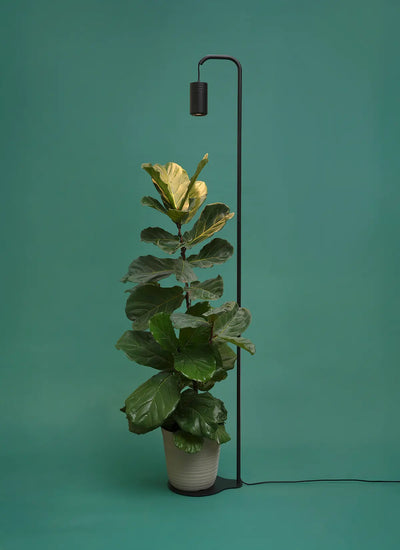
BRIGHT, INDIRECTA south or west-facing window with filtered light, or a full-spectrum grow light. Can tolerate some direct sun once established.
Water
Water when the top 1 in of soil has dried outKeep soil consistently moist and never allow it to fully dry out.
Humidity
HUMIDITY LEVEL60–80%+
Pet Safety
PET SAFETYNon-toxic to cats and dogs. Ingestion may still cause mild gastrointestinal upset if large amounts are consumed.
Genus Profile

Musa is a genus of large, herbaceous plants native to tropical regions of Southeast Asia and the Indo-Malay region. Despite their tree-like appearance, they are not true trees but fast-growing perennials that grow from underground rhizomes, with a pseudostem formed from tightly packed leaf sheaths. In warm, high-light, and humid conditions, Musa are highly responsive growers, capable of producing large, rapidly emerging leaves and forming clumping colonies over time.

Their growth habit is driven by continuous leaf production from the central growing point, with leaf size and vigor increasing significantly under optimal conditions. This responsiveness to environment is one of the defining traits of the genus in cultivation.

Species Profile

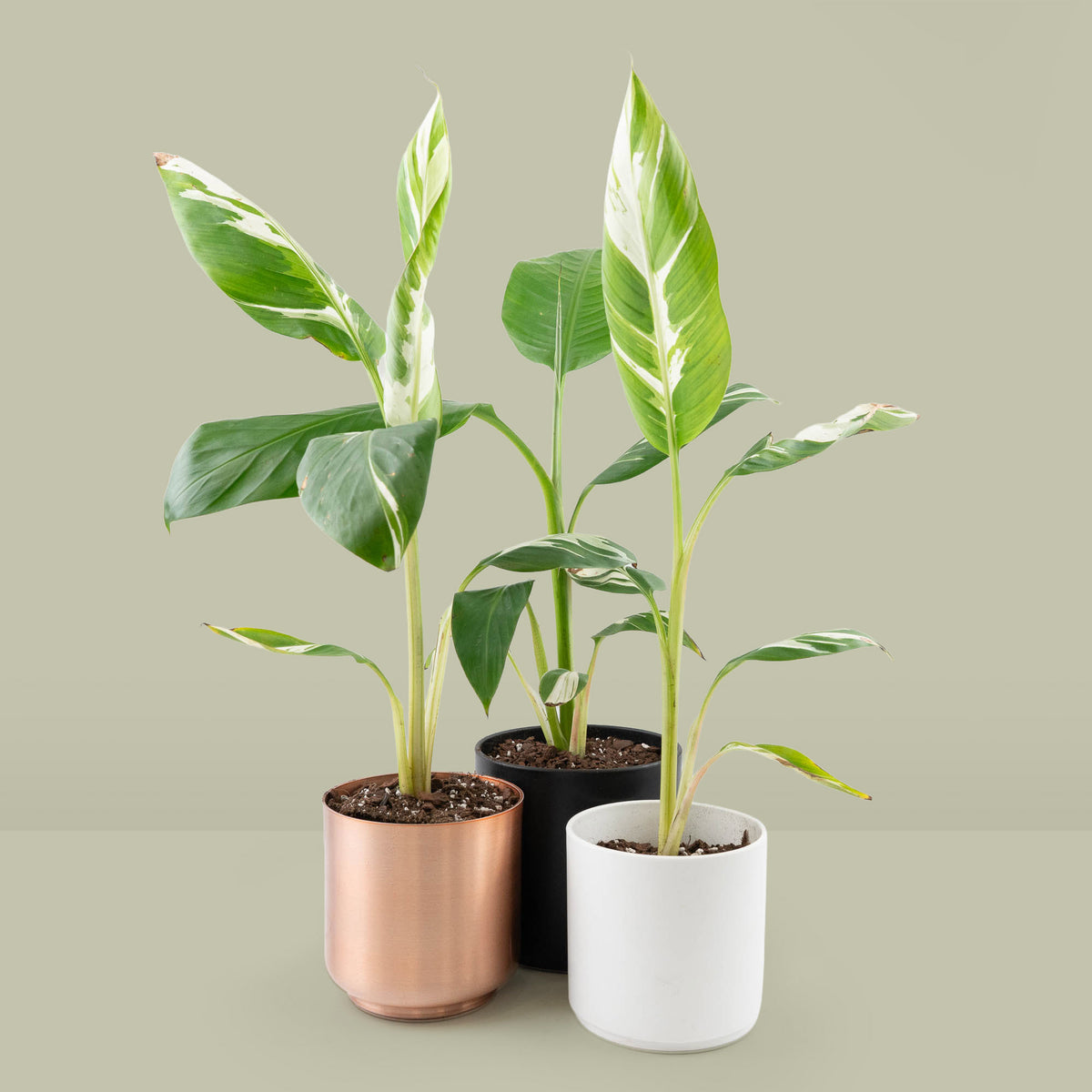
Musa ‘Florida’ is a variegated banana grown for its bold, unpredictable foliage, where broad paddle-shaped leaves emerge in shifting patterns of deep green and creamy white. Rather than having a clearly documented breeding history, it exists as a collector-circulated variegated form in cultivation, selected and propagated for its ornamental traits rather than agricultural use.

Its defining feature is unstable chimeric variegation, which can express as heavy sectoral blocks, marbling, or mostly green growth depending on the active growth point. Each leaf can look different, making the plant visually dynamic as it grows.

Like all Musa, it grows from an underground rhizome that produces successive pseudostems, forming clumping growth over time. In warm, bright, and consistently moist conditions, it produces rapid growth and increasingly large leaves as it matures.

Mature height indoors is typically around 6–10 ft (1.8–3 m), with larger potential in ideal conditions.

Starter
Juvenile
Musa 'Florida' fruit from one of our fairies!
Routine Care
Weekly

Water, Humidity & Temperature
Water when the top 0.5–1 inch of soil begins to dry out. Musa ‘Nono’ is not tolerant of extended dryness and performs best in consistently moist soil, but it should never sit in waterlogged conditions. Water thoroughly, allowing full drainage, then wait until the mix has started to dry slightly before watering again. In active growth, this often means watering every 1–3 days depending on light, pot size, and temperature, with reduced frequency in cooler or low-light periods.

Humidity should stay at 60% or above. Higher humidity supports larger, cleaner leaf unfurling and helps maintain strong pink and white expression in variegated tissue. While adaptable, Musa shows its best growth and most stable variegation expression in consistently humid conditions, especially during rapid summer growth.

Temperature should remain between 70–90°F (21–32°C). Keep away from cold drafts and sustained temperatures below 60°F, as growth will slow significantly and the plant may stall until warmer conditions return.

Monthly

Fertilizing & Growth Maintenance
Musa ‘Florida’ is a vigorous grower and a heavy feeder during active growth. Fertilize every 2–4 weeks from spring through early fall with a balanced liquid fertilizer, or more frequently at lower strength if growth is especially rapid. Consistent feeding supports faster leaf emergence, larger foliage, and stronger overall development. Reduce feeding in fall and stop through winter as growth slows or stalls.

Pruning is minimal and mainly focused on maintenance. Remove fully spent or damaged lower leaves at the base to keep the plant clean and improve airflow. Because Musa growth is driven from the central pseudostem, leaf removal does not affect future leaf production, but helps maintain plant health and appearance over time.

Seasonal

Repotting, Division & Growth Cycle
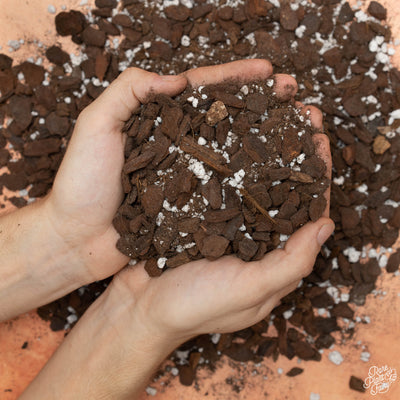
Repot or divide every 1–2 years, or when the plant becomes rootbound and growth begins to slow. Musa prefers spacious containers with rich, moisture-retentive but well-draining soil that supports its fast growth and heavy feeding. In strong growing conditions, it may fill a pot quickly and benefit from slightly more frequent upsizing than slower indoor plants.

Musa does not require structural support indoors, but it should be given a stable, heavy pot as it increases in height to prevent tipping as leaves expand. Growth is most active in warm months and may slow significantly in winter depending on light and indoor conditions.

Propagation is through division of pups that emerge from the underground rhizome. These offsets can be separated once they have their own roots and a few leaves established. Each division will continue growing as its own clump when kept in warm, bright, and consistently moist conditions.

Grower's Notes

Why is the variegation browning?

This is common in variegated Musa and is linked to the nature of the lighter tissue, which is more sensitive to dryness, light intensity, and environmental shifts. It is most often seen during rapid growth or in lower humidity conditions. Increasing humidity and maintaining consistent watering helps reduce it, but a small amount of cosmetic browning can be a normal part of fast-growing variegated foliage.

Why does each leaf look different?

Its defining feature is chimeric variegation, which shifts naturally between growth points and creates a wide range of patterns across the plant. Each leaf can emerge differently depending on which tissues are active in the pseudostem, resulting in anything from bold sectoral white sections to softer marbling or mostly green growth. This variability is part of its character and means the plant is constantly changing as it grows.

Why is my plant slowing down or stalling?

Musa growth is highly seasonal and condition-dependent. Reduced light, cooler temperatures, or less frequent watering will quickly slow growth. In winter or lower-light indoor settings, it is normal for the plant to pause active leaf production until conditions improve.

Why are the leaves tearing as they unfurl?

This is very common in Musa. Rapid leaf expansion can cause natural splitting as the leaf emerges from the pseudostem, especially in lower humidity or with inconsistent watering. It is usually not a disease or deficiency, but a normal growth response that becomes less noticeable under stable, high-humidity conditions.

How do I get larger leaves?

Provide strong light, consistent warmth, and steady moisture. Musa responds very directly to conditions, and leaf size increases rapidly when growth is uninterrupted. Frequent feeding during active growth also supports larger, faster-emerging leaves. Once established, growth can become extremely fast under ideal indoor conditions.

Will this plant produce bananas?

Musa ‘Florida’ can produce banana flowers and fruit when grown in strong light, warmth, and high nutrition. The fruit is technically edible, and bananas from Musa acuminata–type plants are generally safe to eat. When conditions are right, it can even push a full flowering stalk and develop small banana bunches, though this is uncommon in typical indoor cultivation. Most growers keep it for foliage, but fruiting is absolutely possible in ideal setups.

SHOW US WHERE THE MAGIC GROWS @RAREPLANTFAIRY
Back to top