Skip to content
RARE PLANT FAIRY CARE GUIDE

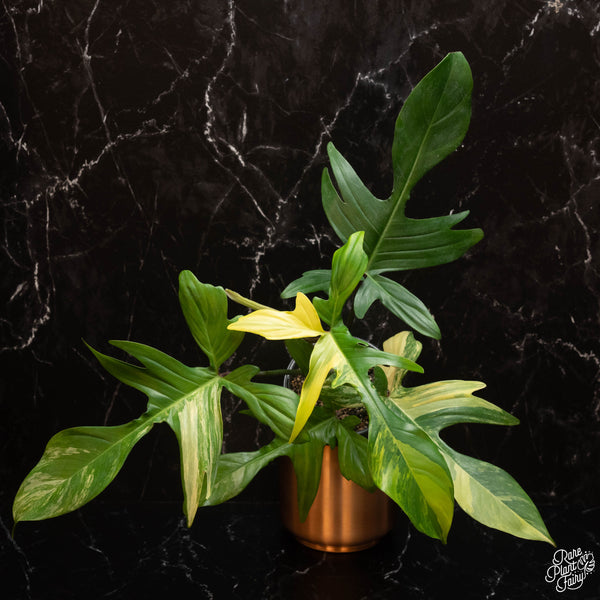
Philodendron 'Florida Beauty'
At a Glance
Light
Bright, indirect A south or west-facing window with filtered light, or a full-spectrum grow light.
Water
Water when the top 1–2 inches of soil have dried out.Well-draining mix is essential.
Humidity
HUMIDITY LEVEL60–70%+
Pet Safety
PET SAFETYContains calcium oxalate crystals; toxic to pets and humans if ingested.
Genus Profile

Philodendron is one of the largest genera in the aroid family, with several hundred species native to the tropical Americas, from Mexico down through Central and South America. The name comes from the Greek for “tree lover,” which is fitting: in the wild, most Philodendrons grow as hemiepiphytes, beginning life in the soil, then climbing host trees to reach the canopy where light is more abundant. This climbing habit is what drives one of the most important aspects of Philodendron care: given vertical support, most climbing species produce progressively larger, more complex leaves as they ascend. Without support, they trail and tend to stay in a more juvenile leaf form. Philodendrons as a group are forgiving, fast-growing, and adaptable, which is a large part of why the genus has such a deep presence in collector collections alongside its wild ornamental appeal.

Species Profile

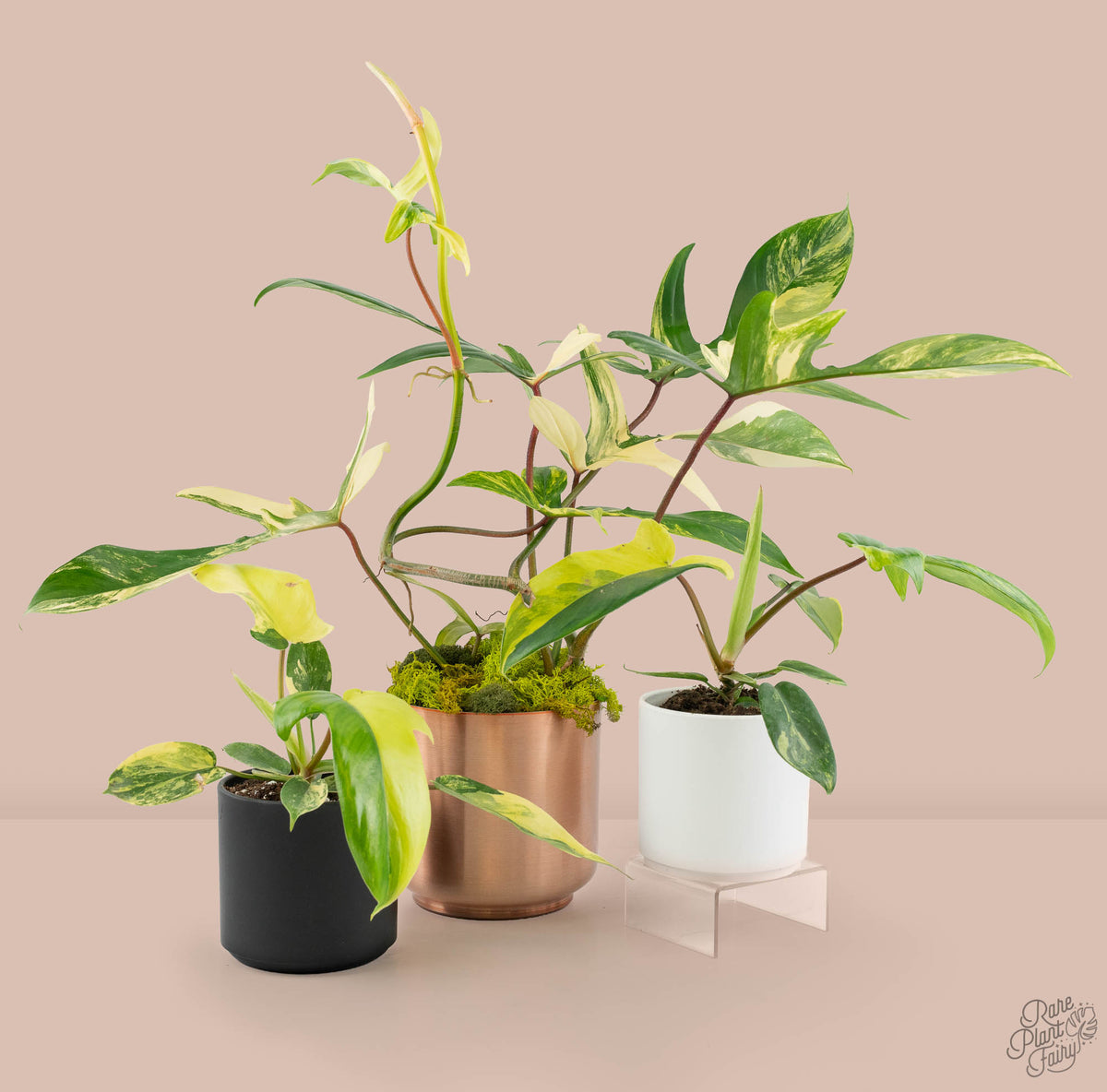
Philodendron ‘Florida Beauty’ traces back to a hybrid created in 1951 by Robert McColley at Bamboo Nurseries in Orlando, Florida. McColley crossed Philodendron squamiferum with Philodendron pedatum (then known as P. laciniatum), producing the original Florida hybrid: a vigorous climbing plant with deeply lobed, oak-like leaves and the distinctive hairy, often reddish petioles inherited from P. squamiferum. McColley was a prolific Philodendron breeder responsible for dozens of crosses, and the Florida hybrid became one of the most influential, eventually giving rise to the entire Florida family.

Florida Beauty is a sport selection of that original hybrid, meaning it arose as a spontaneous mutation rather than a deliberate cross. Its defining feature is chimeric variegation: irregular cream, white, and pale yellow marbling, splashing, and sectoral patches across the deep green lobed leaves. Because the variegation is chimeric, it exists in specific cell layers of the plant rather than being distributed evenly throughout the tissue, which means it can be unpredictable from leaf to leaf. One leaf may come out heavily splashed with cream; the next may be mostly green. That variability is part of what makes Florida Beauty appealing to collectors and part of what makes it interesting to grow. Leaf size and lobe definition increase as the plant matures, particularly when it is given vertical support to climb.

Fairy Diary: The Philodendron "Florida" Family

Growth Stages
Starter
Juvenile
Mature
Routine Care
Weekly

Watering, Humidity & Temperature

Water when the top inch or two of the soil mix has dried out. Florida Beauty is reasonably forgiving about watering compared to some aroids, but it dislikes sitting in consistently wet soil. Water thoroughly, let it drain completely, and do not water again until the mix has partially dried. In practice this typically means watering every 5–10 days depending on your light, pot size, and season. In winter when growth slows, extend that interval further.

Humidity should stay at 60% or above. Florida Beauty is not as demanding as some of the jewel Alocasias but will show the benefits of higher humidity in larger, more lush leaf production. The cream and white variegated sections are more susceptible to browning at the margins in dry conditions than the green portions. A humidifier running nearby is the most reliable approach; Florida Beauty is a larger, faster-growing plant than most on this list and will quickly outpace what a pebble tray can do for it.

Temperature should stay between 65–85°F (18–29°C). Keep it away from cold drafts and AC vents. Florida Beauty is a tropical plant and will stall below 60°F; prolonged cold exposure can cause leaf damage.

Monthly

Fertilizing & Pruning

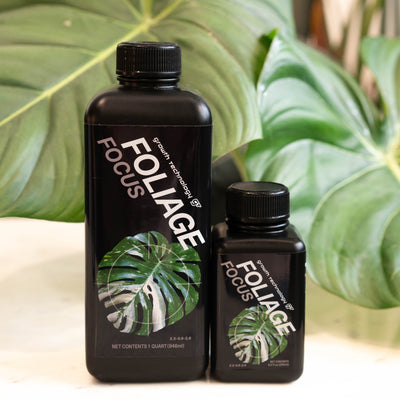
Florida Beauty is a vigorous grower and a moderate to active feeder during the growing season. Fertilize every 2–4 weeks from spring through early fall with a balanced liquid fertilizer at half strength. Consistent feeding through the growing season will support faster growth and better leaf size. Reduce in fall and stop through winter. One thing worth knowing: because chimeric variegation depends on nitrogen availability in the tissue, some growers find that a slightly higher-nitrogen fertilizer encourages more pronounced white expression in new leaves. This is not guaranteed, but it is a lever worth trying if your plant is pushing consistently green growth.

Pruning on Florida Beauty is done to manage the vine and remove any damaged or entirely green leaves if desired. If the plant pushes a run of fully green leaves, pruning back to a node that previously produced good variegation can sometimes prompt the plant to draw from a more active variegated cell line, though this is not guaranteed. Use sterilized scissors and make clean cuts just above a node.

Seasonal

Repotting, Support & Propagation

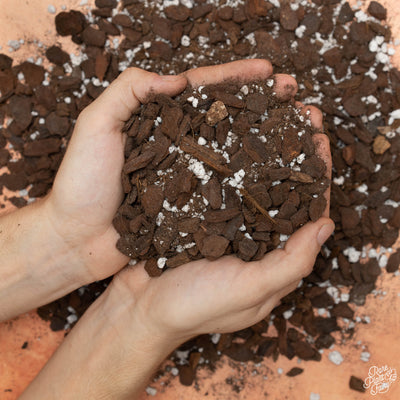
Repot when roots are circling the drainage holes or the plant is pushing out of its container, typically every 1–2 years. Go up one pot size. Use a chunky, well-draining aroid mix with good organic content and airflow at the root zone. Our RPF Aroid Soil Mix is what we use in our nursery and is well suited to Florida Beauty’s needs.

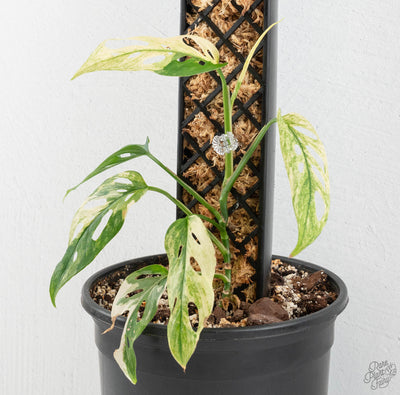
Support is important for this plant and will meaningfully change what it produces. Florida Beauty is a vigorous climber, and when given a moss pole, plank, or other vertical support, it will produce progressively larger leaves with more defined lobing as it ascends. Without support it will trail, which produces smaller leaves and longer internodes. Neither approach is wrong, but if your goal is large, mature-form leaves, giving it something to climb is the most effective way to get there.

Propagation is through stem cuttings with at least one node. Florida Beauty roots readily in water or moist moss. When selecting a cutting, choose a node from a stem that has recently produced well-variegated leaves; because the variegation is chimeric, cuttings taken from heavily green sections of the vine are more likely to produce green growth. There is no guarantee, but starting from a variegated node gives the best odds.

Grower's Notes

Is this plant safe for my pets?

No. All Philodendrons, contains calcium oxalate crystals throughout its tissue. Ingestion causes intense irritation of the mouth and throat in both pets and humans. Keep it out of reach of cats, dogs, and small children.

How do I get bigger leaves?

Give it something to climb and give it more light. Those two factors drive leaf size more than anything else in this species. A moss pole that the plant can root into as it climbs will produce the most dramatic size increase over time. Consistent fertilizing through the growing season and maintaining good humidity will support the plant in producing its best growth once those conditions are in place.

The edges of the cream sections are turning brown. What’s wrong?

Browning on the variegated portions of the leaf is almost always a humidity issue. The cream and white sections lack the full complement of protective cells that green tissue has and dry out faster. Check your ambient humidity first. If it is below 50%, increasing it is the priority. Cold drafts and inconsistent watering can also contribute; rule those out if humidity is already adequate.

The leaves are getting smaller over time. What’s happening?

Shrinking leaf size on a climbing Philodendron almost always means the plant is not getting adequate light, is lacking vertical support, or both. Florida Beauty produces its largest, most complex leaves when it is climbing and receiving bright indirect light. Without a moss pole or support structure, it will trail and revert toward smaller, less lobed juvenile leaf form. Adding a support and moving the plant closer to a strong light source are the two most effective interventions.

My Florida Beauty keeps pushing green leaves. Is it reverting?

This is the most common concern with Florida Beauty and it does not necessarily mean the plant is reverting permanently. Because the variegation is chimeric, it depends on which cell lines are active in the growing tip at any given time. If the meristem shifts toward a higher proportion of green cells, new leaves will come in mostly or entirely green. Increasing light levels is the first thing to try, as brighter conditions generally encourage stronger variegation expression. Pruning back to a node that previously produced good variegation can also help by redirecting growth through a section of the stem where the variegated cell line was more active.

We love seeing your plants thrive-tag us to share your journey @rareplantfairy
Back to top